
Namaste from Delhi! Today I won’t write about Corona, or at most a tiny bit. There is another topic on my agenda. Today, I write about the national fruit of India, the queen of fruits: the mango.
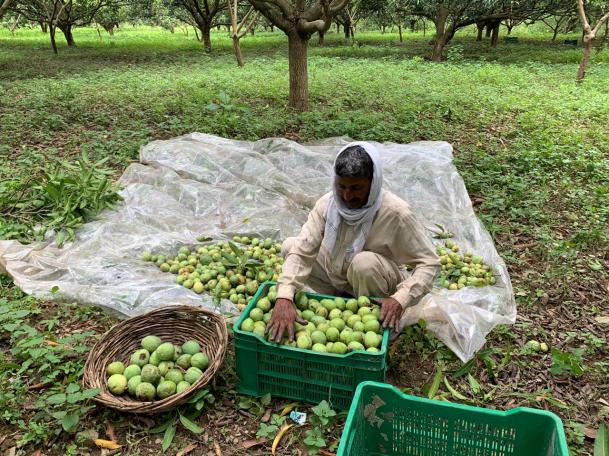
Whereas in Germany everyone (or at least many, many people) waits for the first white asparagus to be sold in the markets, or that one of the many strawberries fields opens that people can pick their own strawberries from, here in India, no one can wait for the mango season to finally get started. As one of our friends said: “Finally the mangoes are ready. I am a very happy man!” There is also a quote of a letter by the famous Urdu poet Mirza Asadullah Khan Ghalib that indicates the intensity of the Indians’ love for mangoes:
“Not only am I a slave to my stomach, I am a weak person as well. I desire that my table be adorned and that my soul be comforted. The wise ones know that both of these cravings can be satisfied by mangoes.”
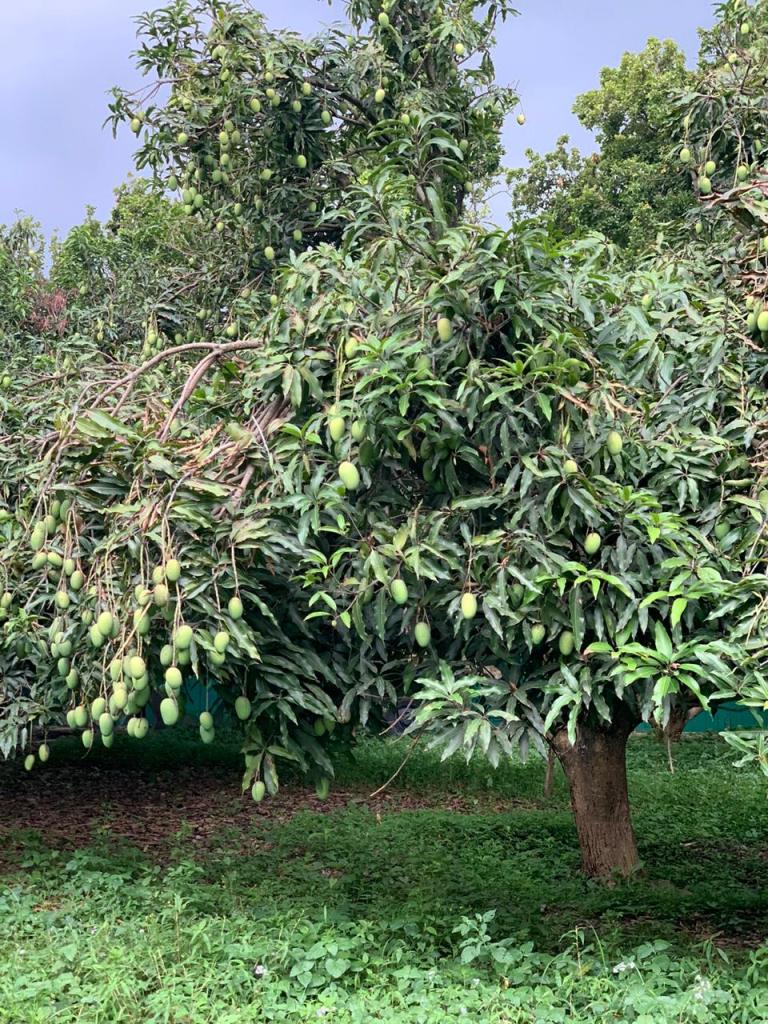
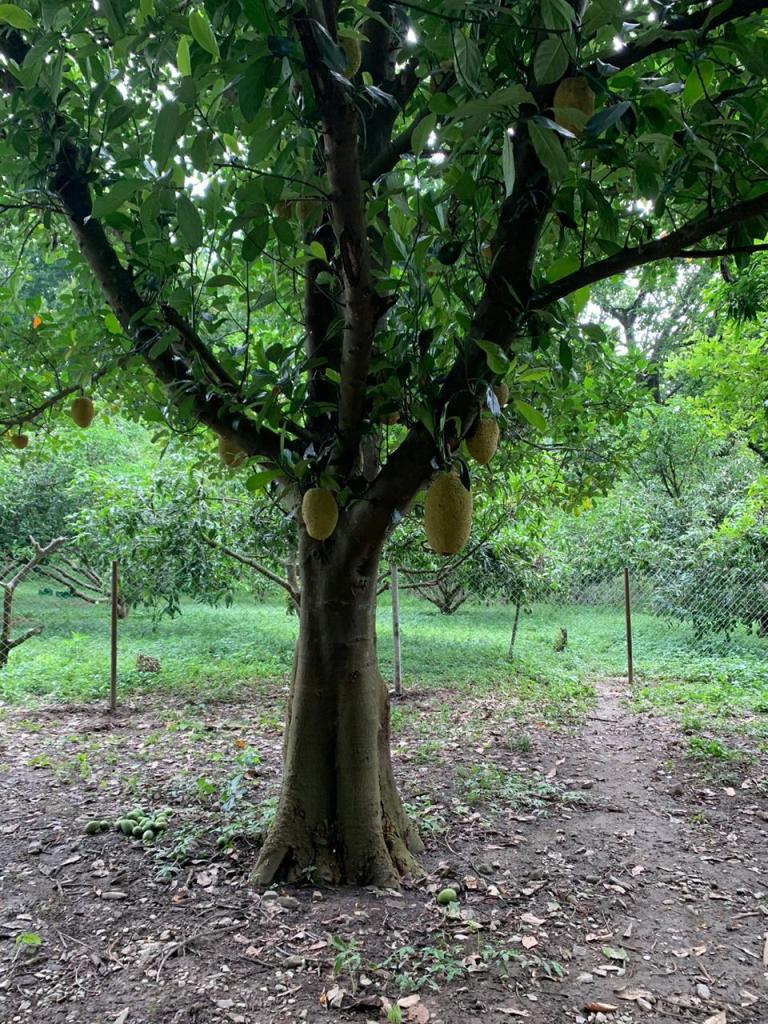
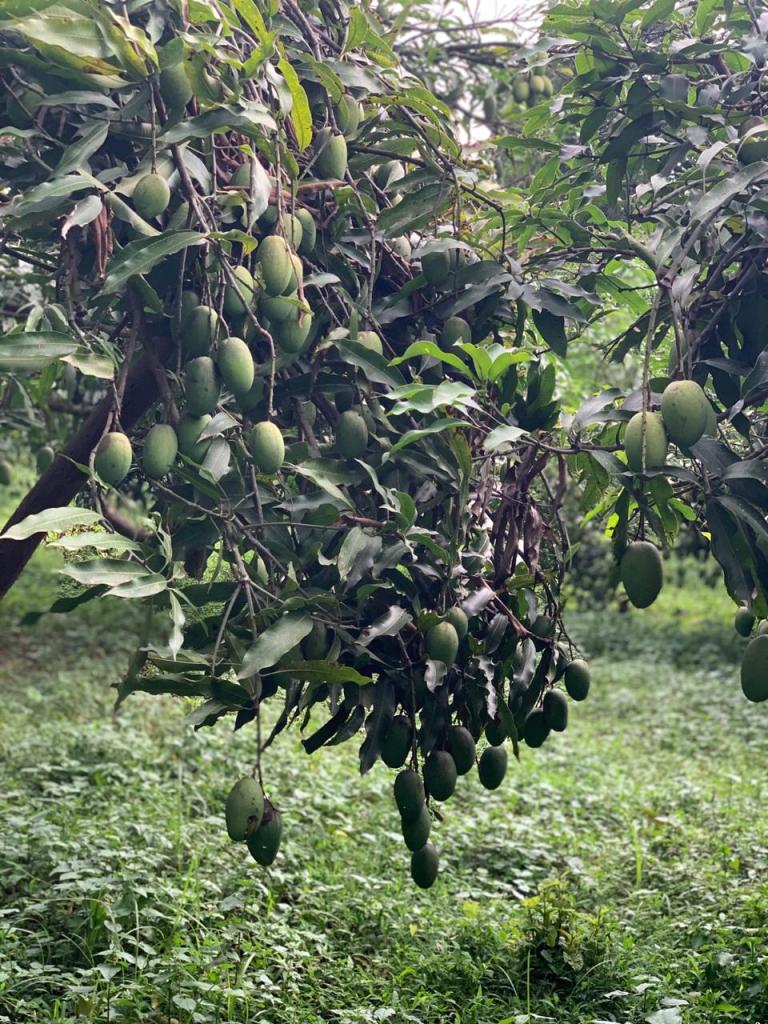
Mango is THE fruit of India. It is omnipresent as soon as the mango season begins. Did you know that there are 500 different kinds of mangoes? I did not. I just learnt that when I started to prepare this blog post. I had already been surprised earlier this year. Every time we ordered mango from the fruit delivery store, the mangoes that were delivered looked different. One time they were more greenly-yellow, the next time they were deeply yellow, almost orange, yet another time the mangoes were light pinkish with greenish shadows. We mango laymen just ordered mangoes and got caught by surprise almost every time. The mangoes didn’t just differ in appearance. No. They were also different in taste and in their consistency. The Alphonso mango, it seems, is the most favourite kind around here.
This special fruit, the mango, is so important that many families actually save up to mail a box filled with mangoes to their loved ones all over the world. Mailing a box of fruits (or several even) via airmail so that they arrive still fresh and edible means spending a non-negligible amount of money for an average middle-class family.
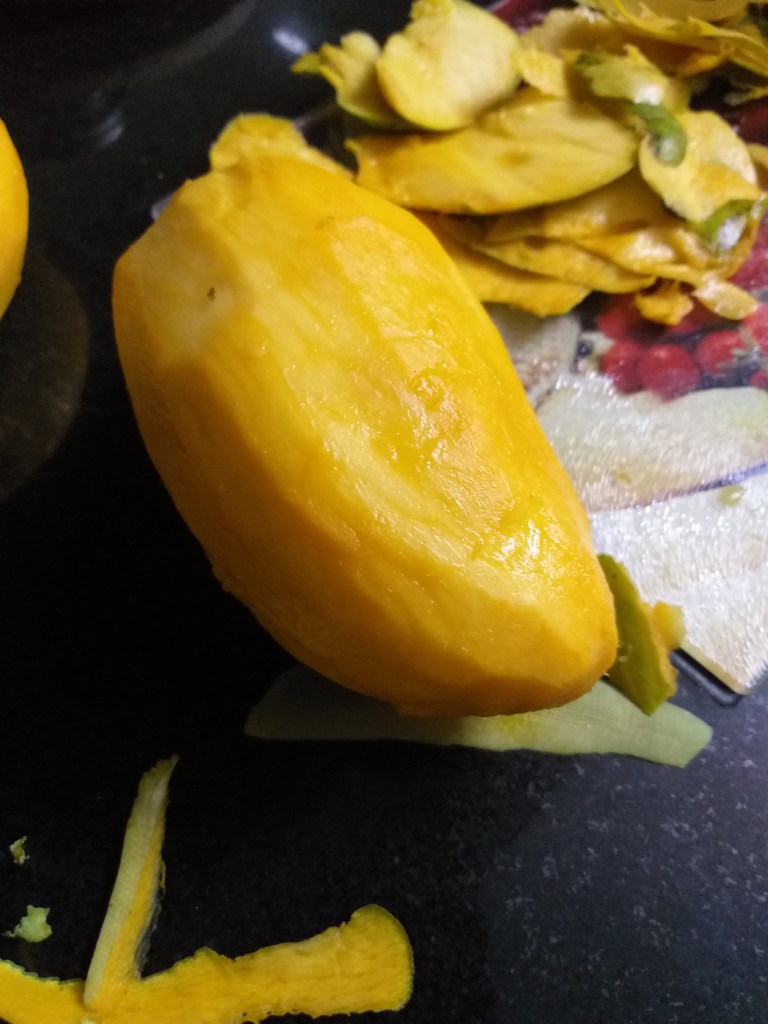
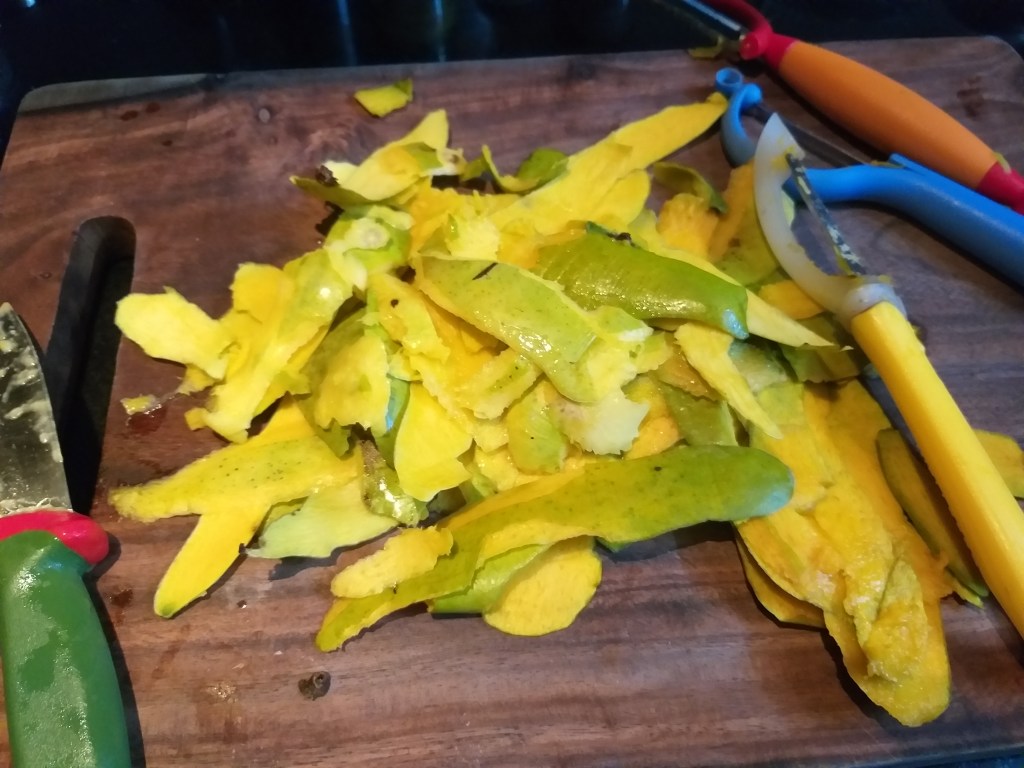
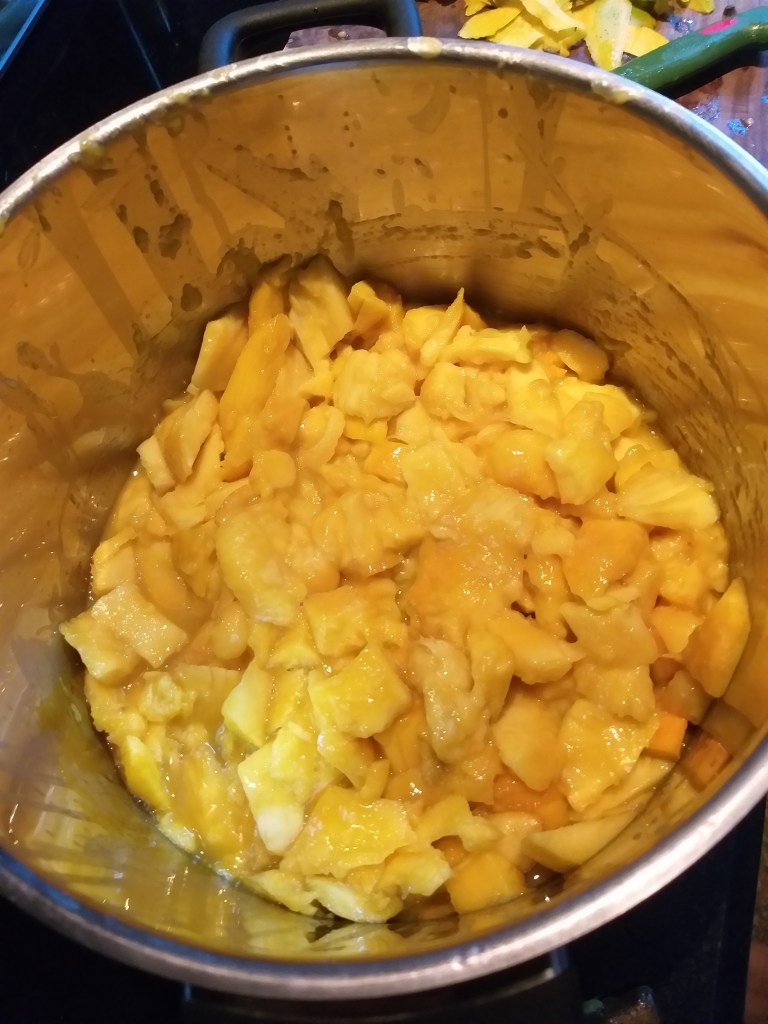
Now the mango season is about to come to an end in Delhi. In other parts of India it is already over. This is to say that the mango season does not start all over India at the same time. In the south, it starts in March and lasts until around the end of May. Like the monsoon that makes its way across the subcontinent from the south-west to the north-east, the mango season takes the same route just ahead of the monsoon. With the onset of the rainy season, the mango season ends.
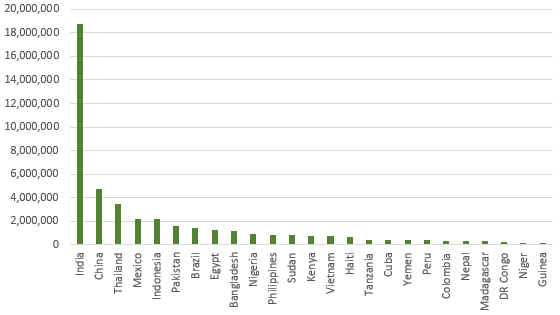
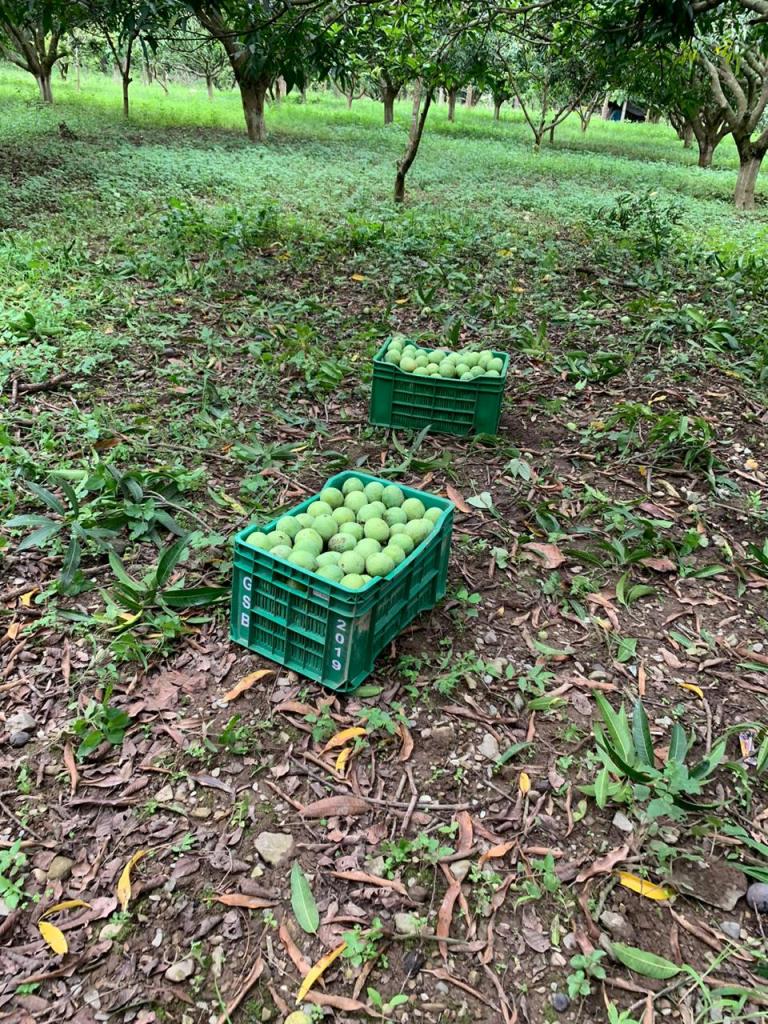
Harvest workers need to be well experienced to harvest mangoes. They have to cut off 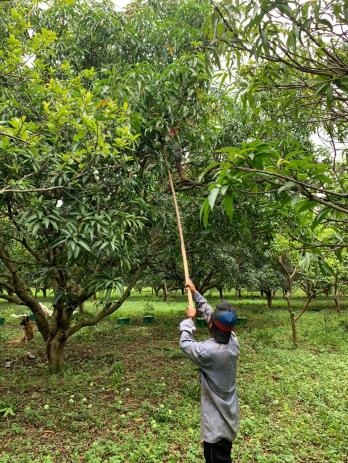 the mangoes with a long stick, for mango trees can grow up to 40 meters tall. It is very important that they know how to determine whether a fruit is ripe enough to be picked or not. The problem is this: if mangoes are picked too early, there is no way they can ripen afterwards. India is responsible for more of half of the world’s mango harvest and market. Therefore the Corona-induced lockdown hit the farmers fairly hard, especially in the south. In the middle of the harvest season, helpers were not able to come and the transport routes were blocked. This is why not as many fruits as usual could be shipped out of the country. Particularly the golf states are very fond of Indian mangoes. This year, people over there got less than their usual share and many mangoes stayed in India, which is why the prize collapsed. Not too good for the farmers.

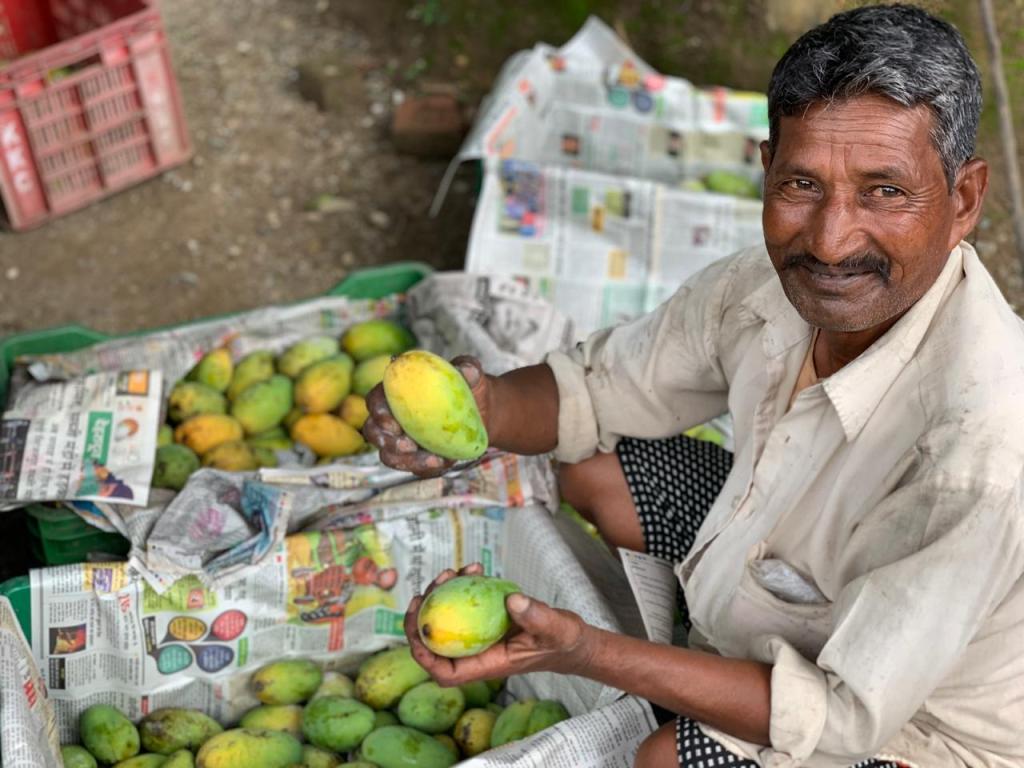
But we had and still have a lot of mangoes. Here in Delhi, slowly but surely the monsoon kicks in and the last mangoes get harvested.
 What to do with all these mangoes? Of course you can just enjoy the fruit. The fruit flesh can also be dried and can be enjoyed as a nourishing, sweet snack. Such snacks can also serve as a nice present to take along overseas. One can also prepare a nice chutney or yummy marmalade of mangoes. We recently did just that and it is so delicious. Incidentally, one can also use the mango pit, if dried and ground into a spice. In our family, mango lassi is the most favourite mango preparation, though. Mango lassi is a very refreshing drink, great for a hot Indian summer day! I am pretty confident, though: if it is really hot in Europe or the U.S., you will enjoy it, too.
Did this whet your appetite? Here is the recipe: 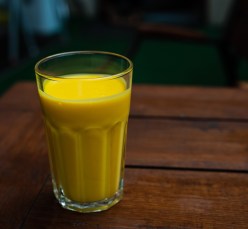
1 cup plain yoghurt
½ cup of milk
1 cup of ripe mango (you can also use pulp that you get in tins at a well-assorted store or in many Asian stores)
4 tea spoons of honey or sugar (as per your taste …maybe less or a bit more, it also depends on the sweetness of the mango)
a pinch of freshly ground cardamom (This is a matter of taste. Cardamom is not everybody’s cup of tea in our family.)
If you like it really cold, add some ice.
Put all the ingredients into the blender and blend them for 1-2 minutes. It should be creamy and not too firm. And there it is: your refreshing summer drink with a taste of India!
Enjoy!
Thank you, M. and R., for your wonderful pictures. ❤


Mango is my favourite …. and this is just too much info on mango …. nice 👌
LikeLike